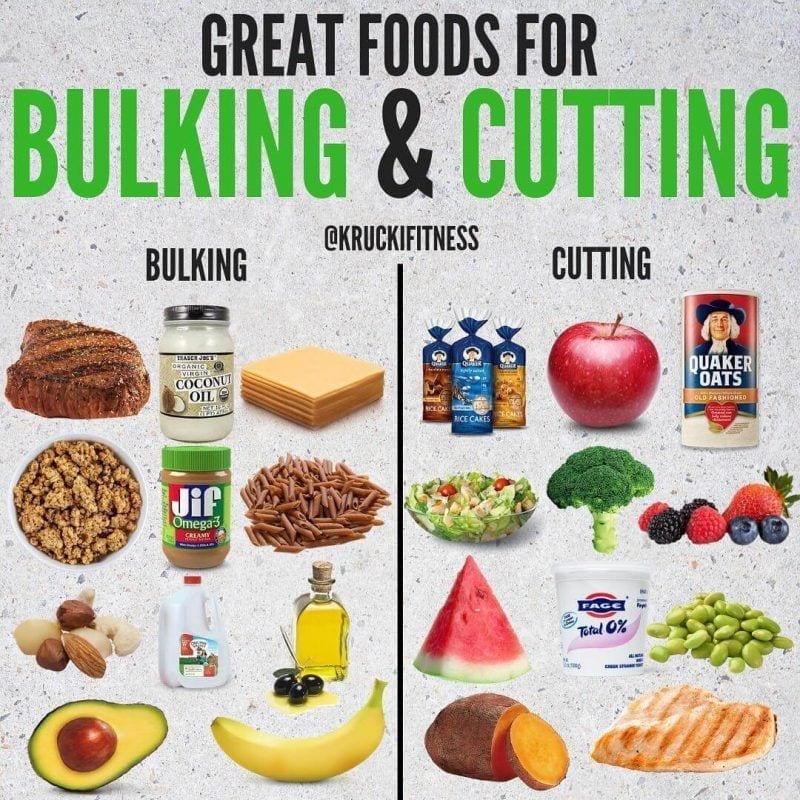
Understanding Macronutrients: The Key to Effective Bulking
Understanding macronutrients is essential for anyone looking to maximize their bulking efforts. Macronutrients consist of three main components: proteins, carbohydrates, and fats. Each plays a crucial role in muscle growth and overall body composition. Proteins are the building blocks of muscle tissue, helping to repair and grow muscles after intense workouts. On the other hand, carbohydrates serve as the primary energy source, fueling your workouts and recovery. Lastly, fats are vital for hormonal balance and overall health. By understanding the function of these macronutrients, you can tailor your diet to optimize your bulking phase.
When planning your diet, focus on achieving the right macronutrient balance. A common rule of thumb for bulking is adopting a ratio of approximately 40% carbohydrates, 30% protein, and 30% fats, but this can vary depending on individual goals and body types. To effectively track your intake, consider utilizing tools like food journals or mobile apps that allow you to monitor your macronutrient ratios. Additionally, remember that not all sources of macronutrients are created equal—prioritize high-quality, nutrient-dense foods for the best results. By mastering your macronutrient intake, you'll set a strong foundation for successful bulking.
Top 10 Protein-Packed Foods for Your Bulking Diet
When it comes to building muscle mass, a bulking diet rich in protein is essential. Here’s a list of the top 10 protein-packed foods that should be staples in your pantry:
- Chicken Breast: Lean and versatile, chicken breast is a favorite among bodybuilders due to its high protein content and low fat.
- Eggs: Packed with essential amino acids, eggs are not only protein-rich but also contain healthy fats, making them perfect for your bulking regimen.
- Greek Yogurt: This creamy delight is loaded with protein and also provides probiotics for digestive health.
- Quinoa: A complete protein source that is gluten-free and packed with fiber, quinoa will keep you feeling satiated.
- Lentils: High in protein and fibers, lentils are a fantastic plant-based option for muscle building.
Continuing with our list of top protein-packed foods for a bulking diet:
- Tofu: As a great alternative for vegetarians, tofu is rich in protein and can take on various flavors in cooking.
- Beef: Whether you prefer ground beef or steak, this meat is packed with protein, iron, and creatine, all beneficial for muscle gain.
- Salmon: Rich in omega-3 fatty acids, salmon not only supports muscle growth but also aids in recovery.
- Nuts and Seeds: Almonds, peanuts, chia, and flaxseeds store protein and healthy fats that make for a great snack.
- Protein Powder: Convenient and effective, protein powders can help you meet your daily protein requirements easily.
Common Bulking Mistakes: What to Avoid for Maximum Gains
When it comes to bulking, many individuals make the mistake of prioritizing quantity over quality. This often leads to excessive weight gain that isn't purely muscle. Instead of focusing solely on calorie surplus, consider incorporating a balanced diet rich in whole foods. Foods high in protein, healthy fats, and complex carbohydrates can ensure that you're gaining muscle efficiently. Track your macronutrient intake and aim for a proper ratio to avoid unnecessary fat gain while bulking.
Another common mistake is neglecting cardiovascular exercise during a bulking phase. While it may seem counterproductive to engage in cardio when trying to gain weight, incorporating moderate cardio can enhance your cardiovascular health and improve overall performance in the gym. Strive for a balanced routine that includes weight training, adequate cardio, and proper recovery. Remember, it’s important to keep the focus on muscle gains without sacrificing fitness or health.